Healthcare has become more flexible than ever before, and for many seniors, that flexibility has created new options that simply did not exist a generation ago. Two of the most talked-about models are mobile doctor visits and telemedicine. Both are designed to make care more accessible, both can reduce the burden of traveling to a traditional doctor’s office, and both can play an important role in helping older adults receive timely medical attention. However, while these options may seem similar at first glance, they provide very different experiences and outcomes, especially for seniors with chronic conditions, mobility limitations, cognitive challenges, or complex medical needs.
For families trying to make the best decision for a loved one, the question often becomes clear very quickly: which option is actually better? Is a virtual doctor visit enough, or does an in-home medical visit provide a level of care that telemedicine simply cannot match? The answer depends on the senior’s health needs, the type of care required, and the importance of hands-on evaluation, comfort, and continuity.
When comparing mobile doctors vs telemedicine for seniors, it is important to look beyond convenience alone. Families need to understand how each model works, what each one can realistically provide, and where one may be more effective than the other. For many older adults, the difference is not just about technology or scheduling. It is about quality of care, personal attention, medical accuracy, safety, and peace of mind.
This is especially important for seniors in Palm Beach County and surrounding areas who may already face barriers such as limited transportation, multiple medical appointments, or difficulty navigating unfamiliar healthcare settings. Choosing the right care model can reduce stress, improve outcomes, and make healthcare feel more manageable.
Understanding the strengths and limitations of both options helps families make a more informed decision and choose the care approach that truly fits their loved one’s needs.
Mobile doctors provide in-person medical care directly in the patient’s home. Instead of requiring the patient to travel to a clinic or office, the physician comes to them. This model is designed to bring high-quality healthcare into the home environment, allowing seniors to receive medical attention in a setting that is familiar, comfortable, and often much less stressful.
A mobile doctor visit can include many of the same services a patient would receive during a traditional office appointment. Depending on the provider and the patient’s needs, this may include physical exams, chronic disease management, medication reviews, preventive care, follow-up visits after hospitalization, wound care, diagnostic evaluations, and care planning. The key difference is that all of this takes place at home, where the physician can observe not only the patient’s symptoms but also their surroundings, daily routines, mobility, safety concerns, and overall living environment.
For seniors, this added context matters. A physician who sees the patient in person at home can assess issues that might never come up during a brief office or virtual visit. They may notice fall risks, medication confusion, signs of functional decline, or changes in behavior that are easier to identify face-to-face.
Mobile medicine is especially valuable for seniors who need more personalized attention, more thorough assessments, and a healthcare experience that is easier to access consistently.
Telemedicine allows patients to speak with a healthcare provider remotely using a phone, tablet, or computer. These visits are usually conducted through video conferencing platforms, although some may happen over the phone. Telemedicine became much more common in recent years because it offered a way for people to receive care without physically visiting a medical office.
For many types of routine follow-up, minor illnesses, medication questions, or simple check-ins, telemedicine can be a helpful and efficient option. Patients can discuss symptoms, ask questions, receive guidance, and sometimes even get prescriptions or referrals without leaving home.
For seniors, telemedicine may seem appealing because it removes the need for transportation and can make care feel more immediate. However, its effectiveness often depends on whether the patient is comfortable using technology, whether the internet connection is reliable, and whether the issue can truly be evaluated without a hands-on exam.
Telemedicine is often most useful when the concern is straightforward and when the patient or family member can clearly communicate what is happening. It works best for lower-complexity needs that do not require physical examination, direct observation of movement, or in-person diagnostic judgment.
For younger adults with simple health needs, the difference between a virtual visit and an in-person home visit may not always feel dramatic. For seniors, however, the distinction is much more meaningful. Older adults are more likely to live with multiple chronic conditions, medication regimens, hearing or vision limitations, mobility challenges, memory changes, or a need for caregiver support. These factors make healthcare more complex and often make the quality of interaction far more important.
A senior dealing with diabetes, high blood pressure, arthritis, heart disease, or cognitive decline may require a level of clinical assessment that goes beyond conversation alone. They may need their physician to observe swelling, listen to breathing, assess balance, check skin integrity, review medications in real time, or evaluate how well they are functioning at home.
Families also want reassurance. They want to know that someone is not only hearing what the senior says but truly seeing what is going on. For this reason, choosing between telemedicine and a mobile doctor is often less about convenience and more about how fully the patient can be evaluated and supported.
The greatest strength of mobile doctors is the ability to deliver hands-on, personalized, in-home care. This matters tremendously for seniors because so many health issues require direct observation. A physician who is physically present can perform an exam, assess gait and mobility, check for swelling or pain, listen to the lungs and heart, observe breathing patterns, evaluate wounds, and better understand the senior’s condition as a whole.
This level of direct care often leads to more accurate assessments. It also creates a more human experience. Seniors who feel anxious in offices, confused by rushed appointments, or uncomfortable with technology often respond far better to an in-person doctor visit at home. The visit feels calmer, more personal, and more thorough.
Another major benefit is that mobile doctors can evaluate the living environment itself. They may notice clutter that creates a fall risk, poor medication organization, lack of food or hydration, trouble with mobility devices, or signs that the patient may need more support. These observations help create a fuller picture of the patient’s health and daily functioning.
For seniors with more complex needs, mobile doctors often provide a level of care that is significantly more comprehensive than what telemedicine can offer.
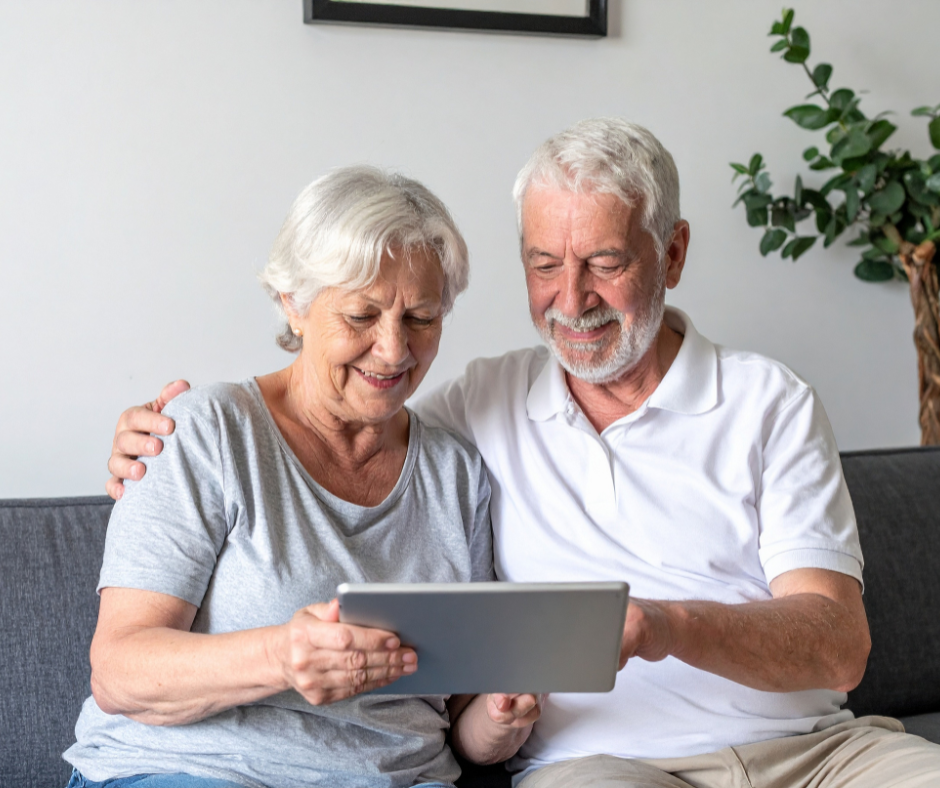
The biggest advantage of telemedicine is speed and convenience. When a senior has a question about a medication, mild symptoms that need review, or a follow-up issue that does not seem urgent, a virtual visit can provide quick access to a healthcare provider without waiting for transportation or scheduling an in-person appointment.
Telemedicine can also be useful for families who want to check in on a known condition, ask whether a symptom needs more urgent evaluation, or receive guidance before deciding on the next step. In some situations, it can prevent unnecessary travel and help families act more efficiently.
For relatively simple issues, telemedicine may be enough. If a patient is stable, comfortable with technology, and does not require hands-on examination, a virtual visit can save time and reduce disruption. It may also serve as a helpful bridge between more comprehensive in-person appointments.
Telemedicine is not without value. In fact, for the right type of concern, it can be a very practical part of senior healthcare. The key is understanding where its usefulness ends.
Mobile doctors are usually the better choice when the senior has ongoing medical needs, difficulty traveling, multiple chronic conditions, or symptoms that require physical assessment. They are also ideal when the family wants a fuller understanding of the senior’s health status and home safety.
In-home physician care is particularly beneficial for seniors who have recently been discharged from the hospital, are recovering from illness, are experiencing weakness or mobility decline, or need close management of conditions like heart disease, diabetes, COPD, or high blood pressure. These patients often benefit from a physician who can physically assess them and make nuanced medical decisions based on direct observation.
Mobile doctors are also extremely valuable for seniors with dementia or cognitive impairment. Virtual visits can be confusing for patients with memory loss, especially if they have trouble following a conversation on a screen or understanding who they are speaking with. An in-person visit is often more calming, more effective, and more informative for both the physician and the family.
When the goal is comprehensive, personalized medical care in a setting that reduces stress and improves visibility into the patient’s real-life needs, mobile doctors have a clear advantage.
Telemedicine may be enough when the issue is relatively minor, the senior is stable, and there is no need for a physical exam. For example, it can be appropriate for reviewing medications, discussing mild symptoms, checking in after a prior diagnosis, or answering questions about a care plan.
A virtual visit may also work well when a caregiver is present and able to help the senior communicate clearly, manage the device, and share information with the provider. This can improve the quality of the visit and reduce frustration.
For seniors who are already familiar with telehealth and comfortable using phones, tablets, or computers, telemedicine can be a convenient part of their overall care. It may be particularly useful for quick follow-ups when a mobile visit is not necessary.
Still, families should remember that telemedicine is best for lower-complexity needs. If there is uncertainty about symptoms, concern about physical decline, or a need for more complete evaluation, an in-person visit is often the safer and more effective choice.
One of the biggest limitations of telemedicine for seniors is technology itself. While many older adults are adapting well to digital tools, many others still struggle with them. Video calls may seem simple to younger users, but for seniors with hearing issues, poor vision, memory loss, limited dexterity, or anxiety around technology, they can become a major barrier.
A telemedicine appointment may require downloading an app, remembering passwords, adjusting sound and camera settings, logging into a portal, and staying connected throughout the visit. Even a minor technical issue can turn a helpful appointment into a stressful experience. In some cases, the patient spends more time trying to connect than actually speaking with the doctor.
This is one reason mobile doctors remain so valuable. They remove the technology barrier entirely. The physician simply comes to the home, and the patient receives care without needing to navigate screens, devices, or internet issues. For many seniors, especially those who are frail or cognitively impaired, this makes the experience far more accessible and far less frustrating.
Families often underestimate how much physicians learn from being physically present with a patient. A senior may say they feel fine during a telemedicine visit, but an in-person physician may notice labored breathing, subtle confusion, poor balance, swelling in the legs, medication bottles scattered across a table, signs of dehydration, or a decline in mobility that was not obvious over video.
These details matter because they often influence diagnosis, treatment decisions, and safety recommendations. A physical exam is not just a formal part of healthcare. It is one of the core ways a physician gathers information. For seniors, whose conditions can change gradually or present in subtle ways, this level of direct assessment can make a major difference.
Telemedicine provides conversation. Mobile doctors provide conversation plus observation plus examination. For medically complex seniors, that difference is often what makes in-home care more effective.
When managing chronic conditions, consistency and thoroughness are essential. Seniors with diabetes, congestive heart failure, hypertension, respiratory disease, arthritis, or multiple conditions often need more than quick answers. They need careful review, medication adjustment, monitoring, and an understanding of how their daily environment affects their health.
Mobile doctors are particularly effective in this area because they can monitor changes over time in a much more complete way. They can see how the patient is living, assess adherence to medication regimens, and identify early warning signs of decline before they lead to emergency care.
Telemedicine can support chronic disease management in limited ways, especially for brief check-ins, but it may miss the physical and environmental clues that help physicians prevent larger problems. For seniors who need close attention and continuity, mobile medicine often provides a stronger long-term solution.
Comfort is not just a luxury in senior care. It directly affects the healthcare experience. Many seniors feel overwhelmed by traditional medical settings. They may struggle with transportation, become anxious in waiting rooms, feel fatigued by appointments, or find unfamiliar environments disorienting.
Mobile doctors reduce this stress by bringing care into the home. The patient remains in a familiar space, often feels more relaxed, and can interact with the physician without the added strain of getting dressed, traveling, waiting, and returning home tired. This often leads to better communication and a more positive overall experience.
Telemedicine also avoids travel, but it introduces a different kind of stress for some seniors through the use of technology. For patients who are uncomfortable on video or have trouble hearing and following the conversation, the virtual format can feel less personal and less reassuring.
In-home physician visits often create a better balance of convenience and comfort, especially for seniors who need a calm, hands-on, patient-centered approach.
When a senior receives care at home, family members often gain peace of mind. They know the physician is seeing their loved one in person and assessing the full picture, not just what can be described verbally. If family members are present during the visit, they can ask questions, discuss concerns, and better understand what the physician is observing.
This can be especially valuable for adult children who are helping coordinate care, watching for changes, or trying to decide whether more support is needed. A mobile doctor can provide clearer insight into how the senior is functioning day to day and whether there are warning signs that require attention.
Telemedicine can involve family as well, but it usually offers less visibility and less depth. For families managing complex care situations, the additional reassurance of in-home physician visits can be significant.
Families sometimes assume telemedicine is the better option simply because it seems simpler or more efficient. In some cases, it may be. But value is not only about convenience. It is also about what kind of care is actually delivered and whether that care helps prevent larger medical problems.
If a telemedicine visit misses an important symptom or delay in treatment leads to an emergency room visit, hospitalization, or worsening condition, the apparent convenience may not translate to better outcomes. By contrast, a mobile doctor who identifies concerns early, adjusts treatment promptly, and helps prevent decline can provide enormous value over time.
For seniors with ongoing health needs, the more useful question is not just which option is easier in the moment. It is which option provides the level of care that supports long-term stability, comfort, and safety.
When comparing mobile doctors vs telemedicine for seniors, the best answer is that both can serve a purpose, but they are not equal in every situation. Telemedicine is helpful for convenience, quick follow-ups, and simple questions. It can be a practical tool when the issue is minor and the patient is stable.
Mobile doctors, however, are usually the stronger choice for seniors who need comprehensive care, physical assessment, chronic disease management, post-hospital follow-up, or support that takes the home environment into account. For older adults with mobility limitations, cognitive changes, complex medical conditions, or a need for more personalized attention, in-home physician care often offers a clear advantage.
The better option is the one that matches the senior’s actual needs, not just the one that seems easiest on the surface. For many families, that means recognizing that telemedicine can be helpful in specific moments, while mobile doctor visits provide a deeper, more complete level of senior-focused care.
The healthcare model a family chooses should support not only immediate concerns but also long-term well-being. Seniors do best when care is accessible, consistent, personalized, and adapted to the realities of aging. That includes understanding mobility limitations, caregiver involvement, the home setting, and the need for thoughtful, ongoing clinical attention.
For many seniors, in-home physician care delivers that balance more effectively than virtual visits alone. It combines convenience with direct assessment and gives families greater confidence that their loved one is being fully seen, heard, and supported.
As healthcare continues to evolve, telemedicine will remain a useful option. But for seniors who need more than a screen can provide, mobile doctors often represent the more complete and compassionate choice.
Mobile doctors provide in-person medical care in the patient’s home, while telemedicine connects patients with providers through video or phone visits. The main difference is that mobile doctors can perform hands-on exams and assess the home environment directly.
Telemedicine can be helpful for seniors when the issue is simple, the patient is stable, and no physical exam is needed. It is often useful for medication questions, minor concerns, and routine follow-ups.
In many cases, yes. Seniors with chronic conditions often benefit from in-person, at-home medical care because physicians can perform physical assessments, monitor symptoms more closely, and identify concerns that may not be obvious during a virtual visit.
Mobile doctors are often the better option for seniors with dementia because in-person visits are usually less confusing, more calming, and more informative than virtual visits conducted over a screen.
Telemedicine can support care in certain situations, but it does not fully replace the value of an in-person home visit for seniors who need physical exams, chronic disease management, or more comprehensive evaluation.
Families often choose mobile doctors because they provide personalized care at home, reduce the stress of travel, improve comfort, and allow physicians to better understand the senior’s health and living environment.
The material contained on this site is for informational purposes only and DOES NOT CONSTITUTE THE PROVIDING OF MEDICAL ADVICE, and is not intended to be a substitute for independent professional medical judgment, advice, diagnosis, or treatment. Always seek the advice of your physician or other qualified healthcare providers with any questions or concerns you may have regarding your health.
Kindly take a moment to complete the form and a member of our team will reach out to you as soon as possible.
If you're currently experiencing an emergency situation, it would be best to call 911.