For many seniors, leaving the hospital is often seen as the end of a medical episode. In reality, it marks the beginning of one of the most critical phases of recovery. The period immediately following hospital discharge is when patients are most vulnerable to complications, confusion, and setbacks. Without proper support, this transition can quickly lead to preventable hospital readmissions.
In Palm Beach County, where many seniors prefer to recover in the comfort of their own homes, the gap between hospital care and home recovery presents a significant challenge. This is where transitional care becomes essential. Understanding how transitional care prevents hospital readmissions allows families to take a proactive approach to recovery, ensuring that seniors receive the support they need during this critical time.
Transitional care focuses on continuity, coordination, and proactive monitoring. By bridging the gap between hospital discharge and ongoing care, it helps reduce complications, improve recovery outcomes, and provide peace of mind for both patients and their families.
Hospital readmissions are a widespread issue, particularly among older adults. Many seniors return home after a hospital stay with new diagnoses, updated medications, and complex care instructions. Managing all of these changes can be overwhelming, especially without professional support.
One of the most common reasons for readmissions is medication confusion. Seniors are often prescribed multiple medications, sometimes with changes to dosage or timing. Without clear guidance, it is easy to miss doses, take the wrong medication, or experience adverse interactions.
Another major factor is the lack of follow-up care. Seniors may struggle to attend appointments due to mobility issues, fatigue, or transportation challenges. Missing these appointments can delay important adjustments to treatment plans, increasing the risk of complications.
Chronic conditions also contribute significantly to readmissions. Conditions such as heart disease, diabetes, and respiratory disorders require careful monitoring. Without consistent oversight, these conditions can worsen quickly after discharge.
In Palm Beach County, where many seniors live independently, these risks are amplified. Transitional care addresses these challenges by providing structured, ongoing support during the recovery process.
Transitional care is a coordinated approach designed to ensure that patients experience a smooth and safe transition from hospital to home. It focuses on reducing confusion, improving communication, and providing continuous support during recovery.
Rather than leaving patients to manage their care independently, transitional care provides a structured plan that includes follow-up visits, medication management, and ongoing monitoring. This approach helps ensure that all aspects of care are aligned and that potential risks are addressed early.
The primary goal of transitional care is prevention. By identifying and addressing issues before they escalate, it reduces the likelihood of complications that could lead to hospital readmission.
One of the most effective components of transitional care is the use of in-home physicians. These medical professionals bring care directly to the patient, eliminating many of the barriers associated with traditional healthcare.
In-home physicians can assess patients in their natural environment, providing insights that may not be apparent in a clinical setting. They can evaluate mobility, living conditions, and daily routines, all of which play a role in recovery.
This personalized approach allows for more accurate assessments and tailored care plans. It also ensures that patients receive timely medical attention without the need to travel, which can be particularly challenging for seniors.
By providing consistent, hands-on care, in-home physicians play a key role in preventing hospital readmissions.
Medication management is one of the most critical aspects of post-hospital care. Errors in medication can lead to serious complications, making it essential to ensure that patients understand and follow their prescribed regimen.
Transitional care includes detailed medication reviews, helping patients understand what they need to take and why. In-home physicians can identify potential issues, such as duplicate medications or harmful interactions, and make necessary adjustments.
Caregivers can also provide reminders and support, ensuring that medications are taken correctly and consistently. This level of oversight significantly reduces the risk of errors and improves overall treatment effectiveness.
Early detection is one of the most powerful tools in preventing hospital readmissions. Many complications begin with subtle symptoms that can easily go unnoticed without proper monitoring.
Transitional care focuses on identifying these early warning signs, such as changes in appetite, energy levels, or mobility. Symptoms like shortness of breath, swelling, or confusion can indicate underlying issues that require attention.
In-home physicians are trained to recognize these signs and respond quickly. By addressing problems early, they can prevent them from escalating into serious conditions that require hospitalization.
One of the most common gaps in post-hospital care is communication. Patients often receive care from multiple providers, including hospital staff, primary care physicians, and specialists. Without proper coordination, important information can be lost or misunderstood.
Transitional care improves communication by ensuring that all providers are aligned. In-home physicians can review discharge instructions, coordinate with specialists, and update care plans as needed.
This level of coordination reduces confusion and ensures that patients receive consistent, comprehensive care.
Recovering at home offers significant advantages for seniors. Familiar surroundings can reduce stress, improve comfort, and support emotional well-being. However, without proper support, home recovery can also present challenges.
Transitional care combines the comfort of home with the structure of professional medical support. Patients receive the care they need while remaining in an environment that feels safe and familiar.
In Palm Beach County, where many seniors value independence, this approach allows them to recover without sacrificing their quality of life.
Chronic conditions are a major factor in hospital readmissions. Managing these conditions requires consistent monitoring and adherence to treatment plans.
Transitional care provides the support needed to manage chronic conditions effectively. In-home physicians can adjust medications, monitor symptoms, and provide guidance on lifestyle changes.
By addressing chronic conditions proactively, transitional care reduces the likelihood of complications and helps patients maintain stability.
Consider a senior in West Palm Beach who is discharged after treatment for pneumonia. Without transitional care, they may struggle to manage medications, recognize symptoms, and attend follow-up appointments.
With transitional care, an in-home physician visits shortly after discharge, reviews medications, and assesses the patient’s condition. They notice early signs of respiratory distress and adjust the treatment plan.
This intervention prevents the condition from worsening and eliminates the need for readmission. This example highlights the importance of proactive care.
Family members play a vital role in supporting recovery, but they often need guidance and support themselves. Transitional care provides families with the information and resources they need to assist their loved ones.
In-home physicians can explain care plans, answer questions, and provide reassurance. This collaboration ensures that everyone is aligned and working toward the same goal.
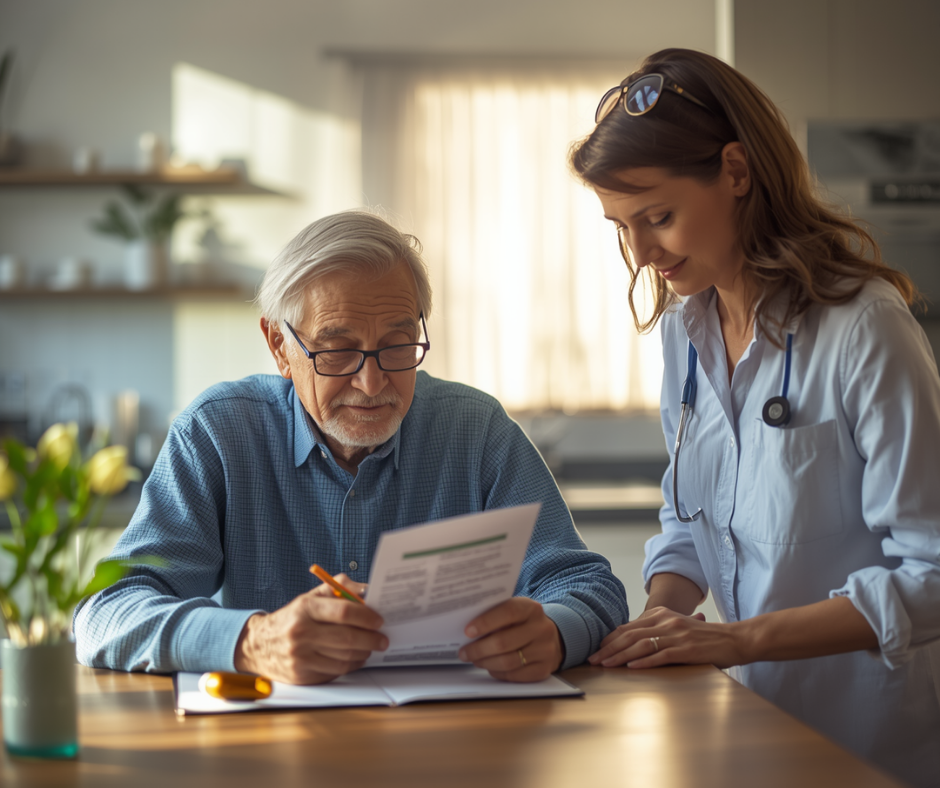
In Palm Beach County, transitional care is particularly important due to the high number of seniors living independently. The ability to receive medical care at home reduces the need for travel and ensures consistent support.
Horizon Mobile Physicians provides transitional care services that are tailored to the needs of local patients, helping them recover safely and avoid unnecessary hospital visits.
Transitional care is not just about preventing readmissions—it is about improving long-term health outcomes. By providing consistent support, it helps patients recover more effectively and maintain their health over time.
This approach aligns with the growing focus on preventative healthcare, reducing the burden on hospitals and improving patient satisfaction.
Selecting the right care after discharge is critical for successful recovery. Families should consider the level of support needed and explore options that provide both medical oversight and daily assistance.
Working with professionals who understand local healthcare systems can make this process easier and more effective.
Transitional care plays a vital role in helping seniors recover safely and avoid hospital readmissions. By providing continuous support, improving communication, and addressing potential risks early, it ensures better outcomes and greater peace of mind.
For seniors in Palm Beach County, transitional care offers a pathway to safer recovery and improved quality of life.
Transitional care is a coordinated approach to managing care after hospital discharge.
It provides monitoring, medication management, and early intervention.
Seniors recovering from hospital stays, especially those with chronic conditions.
Yes, they provide personalized care at home.
Yes, services like Horizon Mobile Physicians offer transitional care.
Kindly take a moment to complete the form and a member of our team will reach out to you as soon as possible.
If you're currently experiencing an emergency situation, it would be best to call 911.