Healthcare is evolving, and one of the most meaningful changes in recent years is the return of doctor house calls. What was once considered an outdated model is now being reintroduced with modern technology, allowing physicians to deliver high-quality, personalized medical care directly in the comfort of a patient’s home. For seniors, busy families, and individuals with mobility challenges, this approach is transforming the way care is accessed and experienced.
One of the most common questions families ask when exploring this option is simple: what conditions can actually be treated through a doctor house call? Many assume that house calls are limited to basic check-ups, but the reality is far more comprehensive. From chronic disease management to acute illnesses, preventive care, and even post-hospital follow-ups, doctor house calls cover a wide range of medical needs.
Understanding the full scope of what can be treated at home helps families make informed decisions while reducing stress, improving comfort, and ensuring continuity of care.
Doctor house calls today are far more advanced than they were decades ago. Providers like Horizon Mobile Physicians bring a full primary care experience directly to the patient, often equipped with diagnostic tools, mobile lab services, and coordinated care systems.
During a house call, a licensed medical provider evaluates symptoms, reviews medical history, conducts physical exams, and develops a treatment plan. What makes this model especially effective is the ability to spend more time with patients. Unlike traditional office visits that may feel rushed, house calls allow for deeper conversations, better understanding of patient needs, and more personalized care.
Another important advantage is the ability to assess the patient’s living environment. Factors such as fall risks, medication setup, and daily routines can all influence health outcomes, and these are best evaluated in the home setting.
Doctor house calls function as a full primary care solution for many patients. This includes routine medical care that would traditionally require an office visit.
Patients can receive annual wellness visits, physical exams, and preventive screenings without leaving their home. Providers monitor vital signs, review medications, and assess overall health status during each visit. These regular check-ins help detect potential issues early and keep patients on track with their healthcare goals.
Because the care is delivered in a comfortable and familiar environment, patients are often more relaxed and open during these visits. This leads to better communication and more accurate assessments, ultimately improving outcomes.
One of the most significant benefits of doctor house calls is the ability to manage chronic conditions effectively. Many seniors live with ongoing health issues that require consistent monitoring and adjustments to treatment plans.
Conditions such as high blood pressure, heart disease, and diabetes can be closely managed through regular in-home visits. Physicians can monitor progress, adjust medications, and provide guidance on lifestyle changes that support long-term health.
Respiratory conditions like COPD and asthma are also commonly treated through house calls. Providers can evaluate breathing, review medications, and even identify environmental factors in the home that may be contributing to symptoms.
Arthritis and mobility-related conditions are another key area of care. Doctors can assess pain levels, recommend treatments, and provide strategies to improve movement and reduce discomfort.
Managing chronic conditions at home reduces the need for frequent office visits and helps prevent complications that could lead to hospitalizations.
Doctor house calls are not limited to long-term care. Many acute illnesses can also be diagnosed and treated during a home visit, providing quick and convenient relief for patients.
Common conditions such as colds, flu, and respiratory infections can be evaluated without exposing patients to crowded waiting rooms. Physicians can prescribe medications, monitor symptoms, and provide guidance for recovery.
Urinary tract infections, minor skin infections, and gastrointestinal issues such as dehydration or nausea can also be treated at home. Early intervention often prevents these conditions from worsening and reduces the need for urgent care visits.
For families, this means faster access to care without the stress of transportation or long wait times.
Wound care is another important service that can be effectively provided through doctor house calls. Patients recovering from surgery, injuries, or chronic wounds benefit greatly from receiving care at home.
Doctors can clean and dress wounds, monitor healing progress, and address any signs of infection. This is especially important for seniors who may have slower healing times or underlying conditions that affect recovery.
Post-surgical follow-up visits are also more convenient when conducted at home. Patients can receive the care they need without the physical strain of traveling, which supports a smoother and safer recovery process.
Cognitive conditions such as Alzheimer’s disease and dementia require specialized attention, and doctor house calls provide a unique advantage in managing these conditions.
Patients with memory challenges often feel more comfortable in familiar surroundings. Being evaluated at home reduces confusion and anxiety, allowing providers to gain a clearer understanding of cognitive function.
Doctors can assess changes in memory, adjust medications, and provide recommendations to support both the patient and their caregivers. They can also identify safety concerns within the home and suggest modifications to reduce risks.
This personalized approach improves both quality of life and long-term care planning.
Medication management is a critical part of healthcare, particularly for seniors who may be taking multiple prescriptions.
During a house call, providers can review all medications, identify potential interactions, and ensure that everything is being taken correctly. This process helps prevent complications and improves the effectiveness of treatment.
Doctors can also simplify medication routines and provide clear instructions for both patients and caregivers. Having this conversation in the home environment allows providers to see exactly how medications are stored and taken, which adds another layer of safety.
One of the biggest misconceptions about doctor house calls is that they are limited in terms of diagnostics. In reality, many tests can now be performed or coordinated directly from the home.
Providers can arrange blood work, urine tests, and other lab services without requiring the patient to visit a facility. Mobile imaging services, including X-rays and ultrasounds, can also be brought to the home when needed.
Additional tools such as EKGs and monitoring devices allow doctors to gather important data during the visit. This capability significantly expands the range of conditions that can be treated through house calls.
Preventive care is a key component of doctor house calls. Regular wellness visits help identify potential health concerns before they become serious.
During these visits, physicians assess risk factors, provide lifestyle recommendations, and administer vaccinations such as flu shots. Preventive care also includes screenings that support early detection of conditions.
By focusing on prevention, house calls help patients maintain better overall health and reduce the likelihood of emergency situations.
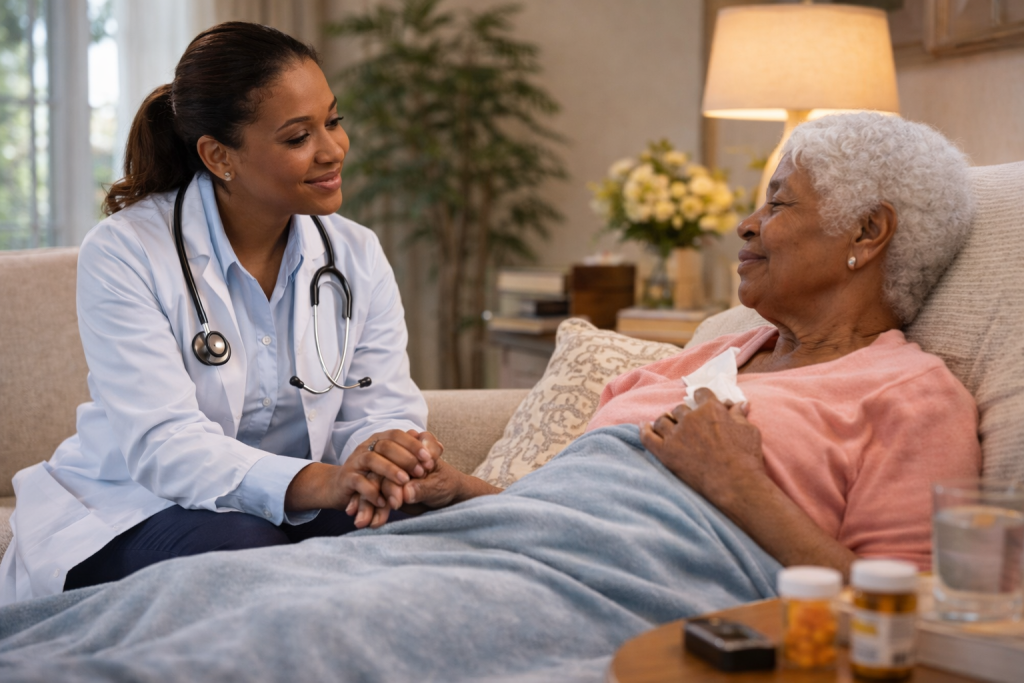
After a hospital stay, patients often require close monitoring to ensure a safe recovery. This period is critical, as many complications occur shortly after discharge.
Doctor house calls provide follow-up care that includes reviewing discharge instructions, managing medications, and monitoring symptoms. Providers can quickly identify any issues and adjust treatment plans as needed.
This level of attention reduces hospital readmissions and helps patients recover more comfortably at home.
For patients dealing with serious or chronic illnesses, palliative care focuses on improving comfort and quality of life.
Doctor house calls allow providers to manage symptoms such as pain, fatigue, and shortness of breath in a familiar environment. They also offer emotional support to both patients and their families.
This approach ensures that care is compassionate, personalized, and centered around the patient’s needs.
Doctor house calls are beneficial for a wide range of patients, but they are especially valuable for certain groups.
Seniors with limited mobility often find it difficult to travel to appointments. House calls eliminate this barrier and make healthcare more accessible.
Patients with chronic conditions benefit from consistent monitoring and personalized care. Individuals recovering from surgery or illness can receive follow-up care without added stress.
Families also benefit, as house calls reduce the logistical challenges of coordinating transportation and appointments.
Receiving medical care at home offers several important advantages. Patients are treated in a comfortable and familiar environment, which reduces anxiety and improves communication.
Doctors gain insight into the patient’s daily life and living conditions, allowing for more comprehensive care. This often leads to better treatment outcomes and more effective care plans.
House calls also reduce exposure to illnesses that may be present in waiting rooms or healthcare facilities. For seniors and individuals with weakened immune systems, this is a significant benefit.
Additionally, early intervention through house calls can help prevent complications and reduce the need for hospital visits.
While doctor house calls can treat many conditions, they are not intended for emergencies. Situations such as severe chest pain, major injuries, or life-threatening conditions still require immediate emergency care.
However, for most non-emergency medical needs, house calls provide a safe and highly effective alternative to traditional care settings.
The demand for doctor house calls continues to grow as more families recognize the benefits of personalized, in-home care. Advances in technology and a focus on patient-centered care are driving this shift.
For providers like Horizon Mobile Physicians, house calls represent a commitment to making healthcare more accessible, convenient, and effective.
This model not only improves the patient experience but also supports better long-term health outcomes.
Choosing doctor house calls is about more than convenience. It is about creating a healthcare experience that prioritizes comfort, accessibility, and quality.
Families gain peace of mind knowing that their loved ones are receiving care in a safe and familiar environment. Patients benefit from more personalized attention and stronger relationships with their providers.
As healthcare continues to evolve, doctor house calls are becoming an essential solution for modern medical care.
Most primary care conditions, chronic diseases, minor illnesses, wound care, and preventive services can be treated at home.
No, while seniors benefit greatly, house calls are available for adults of all ages who prefer in-home care.
Yes, many tests can be performed or coordinated at home, including lab work and imaging services.
Emergency situations such as severe pain, major injuries, or life-threatening symptoms require immediate hospital care.
The material contained on this site is for informational purposes only and DOES NOT CONSTITUTE THE PROVIDING OF MEDICAL ADVICE, and is not intended to be a substitute for independent professional medical judgment, advice, diagnosis, or treatment. Always seek the advice of your physician or other qualified healthcare providers with any questions or concerns you may have regarding your health.
Kindly take a moment to complete the form and a member of our team will reach out to you as soon as possible.
If you're currently experiencing an emergency situation, it would be best to call 911.