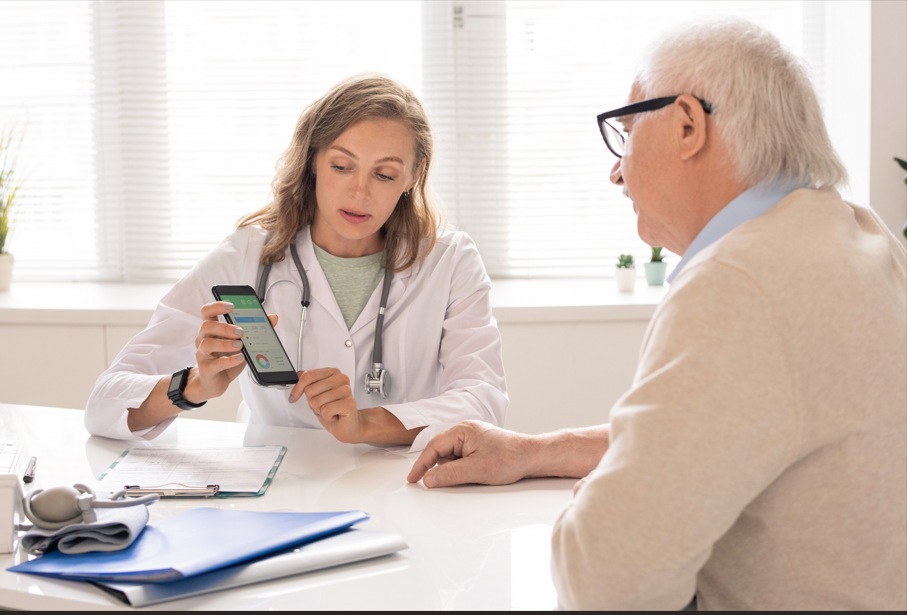
Aging is an inevitable process, often accompanied by various health challenges that can affect quality of life, independence, and overall well-being. As the global population ages, addressing the unique medical needs of older adults has become a priority. In response, mobile medical services are increasingly being used to bridge healthcare gaps for seniors, delivering timely, effective, and convenient care to their doorsteps.
This blog explores common health conditions in aged adults and how mobile medical services are revolutionizing the way care is delivered.

Aging brings natural physiological changes, but it also increases vulnerability to chronic illnesses and other health issues. Below are some of the most prevalent conditions faced by elderly individuals:
Hypertension affects nearly two-thirds of adults over 60. Often referred to as a “silent killer,” it may show no symptoms until it leads to more serious complications like heart attack or stroke.
Type 2 diabetes is common among older adults and requires constant monitoring of blood glucose levels, diet, and medication adherence. Uncontrolled diabetes can lead to nerve damage, vision problems, kidney disease, and more.
Arthritis, particularly osteoarthritis, is a leading cause of chronic pain and disability in older adults. It limits mobility, affects independence, and can contribute to mental health challenges like depression.
Heart-related conditions like coronary artery disease, congestive heart failure, and arrhythmias are common among the elderly. These conditions often require regular check-ups, medications, and lifestyle management.
Chronic bronchitis and emphysema—both part of the COPD umbrella—can significantly impair breathing and reduce quality of life. Oxygen therapy and regular pulmonary monitoring are often required.
Memory loss and cognitive impairments affect a significant portion of the aging population. These conditions require comprehensive care involving neurologists, therapists, and caregivers.
With aging bones becoming weaker, seniors are more prone to fractures. Falls are the leading cause of injury-related deaths among the elderly, often requiring long recovery periods and rehabilitation.
Mental health often takes a backseat, but isolation, grief, chronic illness, and loss of independence make seniors particularly susceptible to depression and anxiety.

Older adults often face numerous obstacles when it comes to accessing healthcare:
These barriers can lead to missed appointments, unmanaged conditions, and hospitalizations—all of which can often be prevented.
Mobile medical services are healthcare services delivered directly to a patient’s home or assisted living facility. These services are particularly transformative for elderly patients who face challenges in traveling to traditional healthcare settings.
Here’s how mobile care is meeting the needs of aging adults:
Mobile medical units or home-visit providers eliminate the need for travel. Patients receive examinations, diagnostic tests, and treatments in the comfort of their home. This is especially helpful for seniors with mobility issues or chronic fatigue.
A mobile unit visiting a senior community once a week can provide checkups, blood pressure readings, and routine blood work, allowing early intervention before conditions worsen.
Home visits often allow for more time with the patient compared to rushed in-clinic appointments. This enables healthcare professionals to understand the full picture, including home environment, medication adherence, and support systems.
Doctors can assess risk factors for falls, review medications for interactions, and recommend personalized solutions, all without the senior having to leave home.
Chronic conditions require frequent monitoring and adjustments in treatment plans. Mobile services offer ongoing management, reducing the likelihood of emergencies and hospitalizations.
Routine in-home visits make it easier to catch health issues early. From noticing signs of skin breakdown to identifying early symptoms of depression or confusion, providers can intervene promptly.
Early detection can mean the difference between a minor adjustment in care and a costly emergency room visit or hospital admission.
Mobile services play a critical role in post-discharge follow-up. Providers ensure the patient understands their medication regimen, assess wound healing, and monitor for signs of complications.
A heart failure patient discharged from the hospital receives weekly mobile check-ins to monitor weight, fluid retention, and medication compliance—preventing re-hospitalization.
Frequent home visits provide much-needed human interaction. Seniors living alone or in isolated environments benefit emotionally from regular contact with healthcare providers.
Some mobile services also include mental health professionals who offer counseling or therapy to help manage grief, depression, or cognitive decline.
Mobile care providers often act as a bridge between the patient, their family, and other healthcare professionals. They can update family members, suggest modifications to care plans, and recommend additional support services when needed.
With aging populations and increased demand for patient-centered care, mobile medical services are expected to expand further. Integration with telehealth, remote monitoring devices, and community health initiatives will make these services more robust and accessible.
Aging comes with a unique set of health challenges—from chronic diseases to mental health concerns. Many elderly individuals struggle to access traditional healthcare settings, often resulting in unmanaged conditions and unnecessary hospitalizations.
Mobile medical services offer a powerful solution, bringing comprehensive, compassionate, and convenient care directly to seniors. By addressing the root causes of healthcare inaccessibility, these services help elderly patients maintain independence, prevent complications, and enhance quality of life.
If you or a loved one is facing challenges in getting to a clinic, exploring mobile medical services might be the key to better, more accessible healthcare in the golden years.
Kindly take a moment to complete the form and a member of our team will reach out to you as soon as possible.
If you're currently experiencing an emergency situation, it would be best to call 911.