Hospital readmissions are one of the most significant and costly challenges in modern American healthcare. They are profoundly stressful for patients and their families, disrupt recovery timelines, and, most critically, are often preventable. For many individuals—particularly seniors, the disabled, and those living with multiple chronic conditions—the transition from the highly supervised hospital environment back to the independence of home is a dangerously fragile and vulnerable time. This transition is often where critical gaps in care emerge, leading to complications, worsening symptoms, and an entirely avoidable return to the hospital within 30 days.
In Palm Beach County, Florida, and across the South Florida region, in-home physician care and specialized post-acute healthcare have emerged as an essential, proactive strategy for drastically reducing the rate of these costly and destabilizing readmissions. By providing patients with personalized, physician-led medical oversight directly inside their home environment, this model effectively closes the transitional gaps that traditional outpatient follow-up care often misses. It supports patients through the critical, high-risk recovery window when the likelihood of complications and medical crises is at its peak.
This guide provides an exhaustive analysis of the readmission crisis, dissects the reasons why the home environment is the most vital setting for recovery, and details how the continuous stability, expert guidance, and personalized medical supervision provided by dedicated in-home healthcare services ensure patients stay safe, heal properly, and achieve sustained wellness.
A hospital discharge can often foster a false sense of security among patients and their families. While discharge signifies that the patient no longer requires the immediate, intensive monitoring of an acute care setting, it emphatically does not mean the recovery is complete or that the patient is immune to complications. The initial four to six weeks following hospitalization—the period most associated with readmission—are fraught with hidden, interconnected risks.
The immediate post-discharge challenges often involve a combination of physical and cognitive stressors:
In a region like Palm Beach County, these issues are compounded by common logistical challenges. Many older residents live alone, rely on public or private transportation that is difficult to arrange while frail, or have family members who live out-of-state, limiting daily support.
This vulnerability is acutely heightened for patients managing multiple chronic conditions, such as:
Without consistent, expert medical attention, the subtle onset of symptoms related to these conditions is easily missed by untrained eyes. Small problems are dismissed as "just part of the recovery" until they suddenly escalate into life-threatening emergencies, necessitating an urgent, preventable return to the hospital.
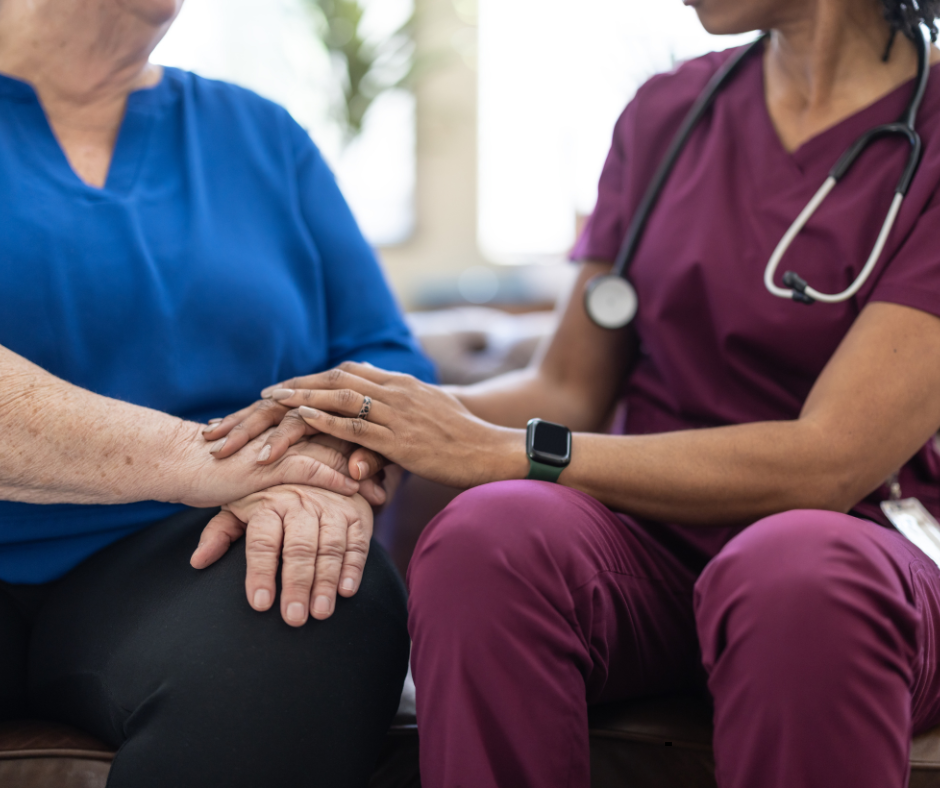
Hospital readmissions rarely stem from a single, isolated clinical failure. Rather, they are the result of multiple systemic and logistical failures that converge, slowly pushing the patient back into crisis.
1. Medication Reconciliation and Adherence Failures
When patients leave the hospital, their medication list is almost guaranteed to be different from their pre-admission regimen. This complex transition zone is the source of many errors:
A medication mistake—particularly the incorrect use of anticoagulants, insulin, or heart medications—can swiftly trigger a cascade of serious, life-threatening complications.
2. Missed or Delayed Follow-Up Care
In Palm Beach County, transportation and mobility are significant barriers for the elderly. Feeling too weak, unable to drive, or lacking a readily available helper, many patients will skip or severely delay their crucial first post-discharge follow-up appointment. This creates a dangerous information and assessment gap, as these appointments are specifically timed to:
Missing this key checkpoint means minor complications go unaddressed until they require an emergency department intervention.
3. Unrecognized or Untreated Subacute Symptoms
During the at-home recovery, families or non-medical caregivers often lack the training to identify subtle physiological distress. They might easily overlook or misattribute key warning signs:
Without a trained physician routinely assessing the patient in their environment, these quiet distress signals are missed until the patient is in severe crisis.
4. Unsafe Home Environment and Lifestyle Risks
The physical home environment and the patient's lifestyle often contribute to readmissions:
The combination of these physical, medical, logistical, and environmental challenges creates the perfect storm for a return to the hospital.
The single most powerful advantage of in-home physician care is the delivery of personalized, high-acuity medical attention directly to the patient's living space. This model moves care out of the sterile, impersonal clinic and into the heart of the patient’s recovery—the home.
1. The Comprehensive, Real-World Assessment
Unlike a rushed 15-minute clinic appointment, the in-home physician conducts a thorough assessment that extends far beyond vital signs. They evaluate the patient's entire functional capacity within their actual environment, observing:
This comprehensive, real-world perspective enables interventions that are truly tailored, leading to more practical and successful outcomes than generic clinic advice.
2. Advanced Medication Reconciliation and Organization
The in-home physician takes a hands-on approach to medication management. They often perform a full medication reconciliation in the presence of the patient and caregiver, cross-referencing discharge papers with current prescriptions, pharmacy records, and over-the-counter supplements. They organize dosages, set up dispensing systems (like pill boxes), and educate all parties involved, drastically reducing the high error rate associated with post-discharge medication changes.
3. Immediate Diagnostics and Early Treatment Adjustment
Physicians specializing in home-based care are expertly trained to identify the subtle, non-specific symptoms that signal brewing trouble. By being on-site, they can order immediate, necessary diagnostics, often through mobile services:
This ability to provide proactive, preemptive intervention is the single greatest defense against the escalation of minor problems into acute crises.
4. Seamless Coordination and Communication Bridge
The in-home physician acts as the central medical coordinator for the patient. They communicate updates, assessment findings, and treatment adjustments to the hospitalists, specialists (e.g., cardiologists, pulmonologists), and the primary care physician. This ensures that the patient’s overall care plan remains consistent and that all providers are working from the same accurate, current information about the patient’s stability within their home setting. This reduces conflicting instructions and enhances long-term stability.
5. Empowering and Educating the Caregiver
Caregivers often operate under intense pressure and fear. The in-home physician reduces this stress by providing direct, practical education. They demonstrate proper wound care, clarify when symptoms require immediate attention, and teach the caregiver how to safely assist with mobility and medications. This empowerment increases the family's confidence, reduces caregiver burnout, and significantly prevents unnecessary ER visits driven by uncertainty or panic.
Palm Beach County is characterized by a high concentration of retirees and an aging population, making it uniquely reliant on advanced post-acute care models. The high prevalence of chronic diseases in this demographic—including cardiovascular disease, Alzheimer's/dementia, and mobility issues—means the risks associated with hospital transitions are higher than the national average.
Horizon Mobile Physicians specializes in delivering high-quality, physician-led medical care directly to patients’ residences across Palm Beach County. With a deeply focused mission on preventing costly and debilitating readmissions, the practice provides a comprehensive suite of services that goes beyond basic house calls:
By reducing the gaps in care, offering proactive, physician-led intervention, and providing continuous, personalized attention, Horizon Mobile Physicians helps patients stay healthy, independent, and safe at home, offering a superior and more sustainable model for post-acute recovery in South Florida.
Preventing hospital readmissions is not just a clinical goal; it is a fundamental act of preserving a patient's dignity, comfort, and independence. This requires a level of personalized, continuous oversight that is almost impossible to achieve in traditional outpatient settings. In-home physician care creates a stable, supportive environment where patients feel continuously monitored, professionally assessed, and fully understood. It allows physicians to respond early, adjust treatments quickly, and keep patients consistently on track with their recovery goals.
For families throughout Palm Beach County, in-home physician care offers profound comfort and clarity. For patients, it offers stability, safety, and a significantly smoother path back to health. And for the healthcare system as a whole, it represents a smarter, more efficient, and ultimately more compassionate approach to long-term wellness.
With the crucial support of advanced in-home healthcare, and with experienced providers like Horizon Mobile Physicians leading the way, vulnerable patients across South Florida can finally recover with confidence—without the constant, looming fear of an avoidable return to the hospital.
Kindly take a moment to complete the form and a member of our team will reach out to you as soon as possible.
If you're currently experiencing an emergency situation, it would be best to call 911.